EN
EN VI
VIEthiopia is a mysterious and charming country located in East Africa, famous for its long history, rich culture, and unique natural landscapes. It is one of the oldest countries in the world and is considered the cradle of humankind. In this article, we will explore Ethiopia in detail: its geographical location, continent, capital, and other interesting facts about this country.
If you are about to visit Ethiopia – hãy mang theo 3 món “cực phẩm”:
➜ Communicate easily in the local language, no worries about language barriers → translation machine➜ Charge your devices anytime, no worries about running out of battery during your trip
→ → travel power adapter →
Ethiopian travel eSIM → Ethiopia is located in East Africa, a landlocked country with a particularly important position in the Horn of Africa region. It borders Eritrea to the north, Djibouti and Somalia to the east, Kenya to the south, and South Sudan and Sudan to the west..
Ethiopia is characterized by its mountainous terrain, including the Ethiopian Highlands, which have a cooler climate compared to other areas in the region. This is also the source of the Blue Nile, one of the two main branches that form the legendary Nile River. With its diverse climate and terrain, Ethiopia boasts a rich ecosystem ranging from tropical rainforests to dry grasslands.
Which Continent is Ethiopia On?
Ethiopia nổi bật với địa hình đồi núi, bao gồm Cao nguyên Ethiopia, nơi có khí hậu mát mẻ hơn so với các khu vực khác trong khu vực. Đây cũng là nơi bắt nguồn của sông Nile Xanh, một trong hai nhánh chính tạo nên sông Nile huyền thoại. Với khí hậu và địa hình đa dạng, Ethiopia sở hữu hệ sinh thái phong phú từ rừng nhiệt đới đến đồng cỏ khô.
Ethiopia Thuộc Châu Lục Nào ?
Ethiopia is in Africa, specifically in the East African region. Africa is the second-largest continent in the world by area and population, home to many ancient civilizations. Ethiopia is an important part of this continent, not only because of its geographical location but also thanks to its historical and cultural role.
What is special about Ethiopia is that it has never been colonized, except for a brief period of Italian occupation during World War II. This has helped Ethiopia retain its unique culture and national identity.
What is the Capital of Ethiopia?
Thủ đô của Ethiopia là Addis Ababa, một trong những thành phố lớn nhất ở châu Phi và được coi là trung tâm chính trị và kinh tế của khu vực Đông Phi. Addis Ababa, có nghĩa là “Bông hoa mới” trong tiếng Amharic, nằm ở độ cao 2.355 mét so với mực nước biển, khiến nó trở thành một trong những thủ đô cao nhất thế giới.
The city hosts the African Union (AU) and many other international organizations, and it is also a cultural hub with museums, churches, and vibrant marketplaces. Some notable sites in Addis Ababa include the Holy Trinity Cathedral, the National Museum of Ethiopia, and the Mercato Market, the largest open-air market in Africa.
Interesting Facts About Ethiopia
Ethiopia is famous not only for its long history but also for its unique cultural, natural, and human elements. Here are some special points:
The Cradle of Humankind
Ethiopia được xem là một trong những nơi khởi nguồn của loài người, với phát hiện hóa thạch “Lucy” – tổ tiên của loài người sống cách đây hơn 3 triệu năm.
Unique Julian Calendar
Ethiopia uses the Julian calendar, giving the country its own distinct calendar with 13 months in a year. Ethiopia's New Year begins on September 11 or 12 according to the Gregorian calendar.
Coffee Culture
Ethiopia is the birthplace of coffee, a beverage popular worldwide. The coffee-drinking culture in Ethiopia is very special, with traditional coffee-making rituals.
UNESCO Cultural Heritage
Ethiopia has many UNESCO World Heritage Sites, including the rock-hewn churches of Lalibela, the Simien National Park, and the ancient city of Aksum.
Ethiopian Cuisine
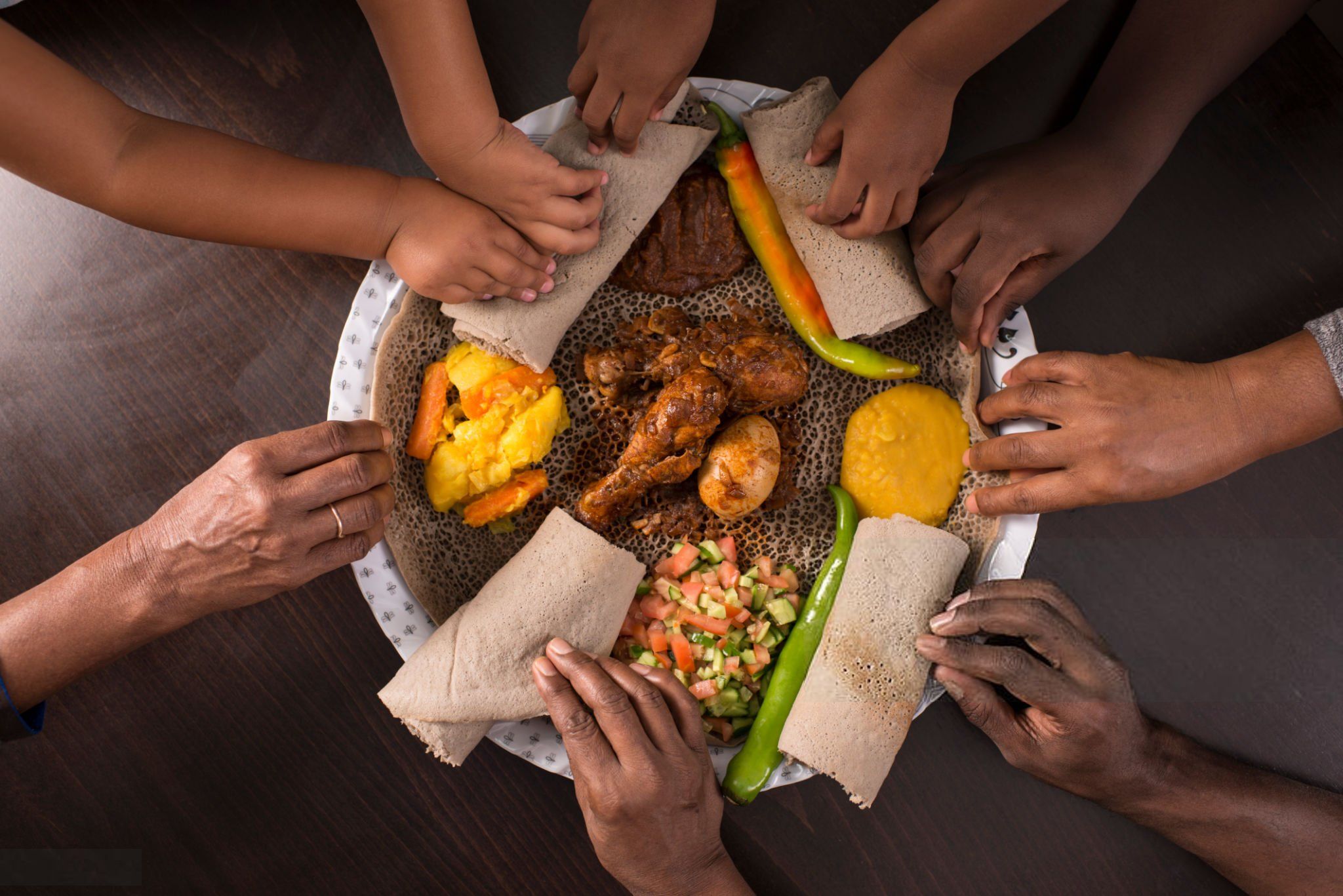
Ethiopian cuisine is famous for Injera, a spongy flatbread served with various meat and vegetable dishes. Berbere spice and traditional stews are also must-try delicacies.

Economy and People
Ethiopia's economy relies on agriculture, with coffee being the main export commodity. Additionally, the country is also developing strongly in the industrial and service sectors. With a population of over 120 million people (2024), Ethiopia is the second most populous country in Africa, after Nigeria.
Ethiopians are renowned for their hospitality and national pride. Ethiopian culture is very diverse, with over 80 different ethnic groups and languages, but Amharic is the official language.
Conclusion
Ethiopia is a unique country with a long history, rich culture, and beautiful nature. From the modern capital Addis Ababa to the majestic mountains and distinctive cultural heritage, Ethiopia offers many interesting things for those who want to explore. Come to Ethiopia to experience the unique beauty of this nation and learn about the cradle of humankind.