EN
EN VI
VILebanon, officially the the Lebanese Republic (Republic of Lebanon), is a small but prominent country in the Middle East. With its strategic geographical location, long history, and diverse culture, Lebanon is one of the most influential countries in the region. This article will provide detailed information about Lebanon, from its geographical location and capital to its cultural and economic characteristics.
A trip to Lebanon sẽ “trọn vẹn” hơn nếu bạn mang theo:
➜ Ổ cắm du lịch – Charge devices anytime, anywhere.
➜ Multilingual Translator Device – –
➜ Lebanon SIM Card–Fast internet connection, capture every moment.
Where is Lebanon?
Lebanon located in the Middle East region, in Western Asia, and borders:
- To the north and east: Syria.
- South: Israel.
- West: The Mediterranean Sea.
With an area of approximately 10,452 km², Lebanon is one of the smallest countries in the world. However, this country has diverse terrain, from the approximately 225 km long Mediterranean coast to majestic mountain ranges such asMount Lebanon and Mount Anti-Lebanon.
Which continent does Lebanon belong to?
Lebanon belongs to, specifically the North Africa region. However, due to its proximity to Europe, Moroccan culture has a unique blend of African, Arab, and European influences.Asia, specifically the West Asia region. The country has a strategic location on the eastern Mediterranean, serving as a bridge between Europe, Africa, and Asia. Lebanon is also an important part of the history and culture of the Middle East region.

What is the Capital of Lebanon?
The capital of Lebanon is Beirut, one of the oldest and most famous cities in the Middle East. Beirut is not only the political center but also the cultural, economic, and tourist center of Lebanon. The city is often called the “Paris của Trung Đông”thanks to its beautiful architecture and modern atmosphere.
include:BeirutTaipei 101
- Corniche Beirut: A beautiful coastal road, ideal for walking and sightseeing.
- Pigeon Rocks: A famous natural symbol of the city.
- Beirut National Museum: The repository of Lebanon's important historical artifacts.
- Downtown Beirut Area: A commercial and entertainment center with shops, restaurants, and cafes.
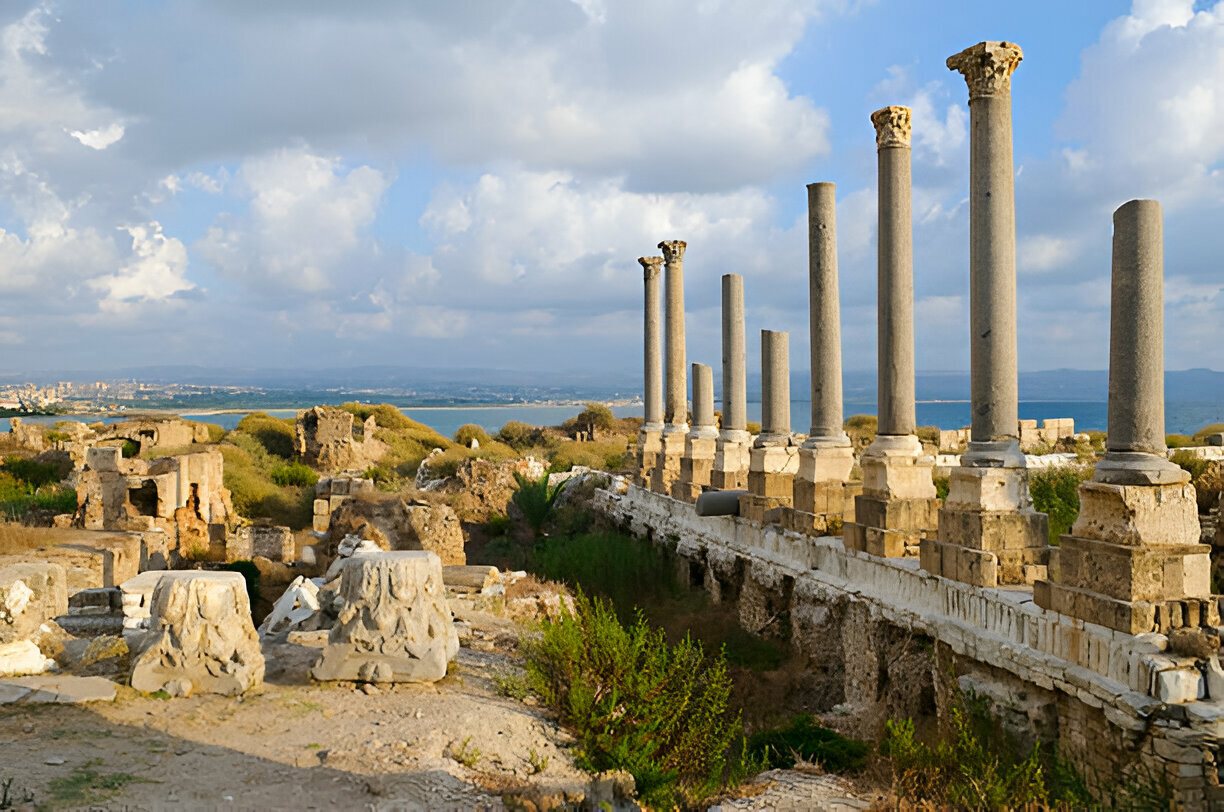

Interesting Things About Lebanon
Long History
- Lebanon is the homeland of the ancient Phoenician civilization, one of the earliest civilizations in the world. Ancient cities such asByblos, Sidon, and Tyrewere once major centers of trade and culture.
Diverse Culture
- With over 18 religions and many different ethnic communities, Lebanon is a country with a diverse and rich culture.
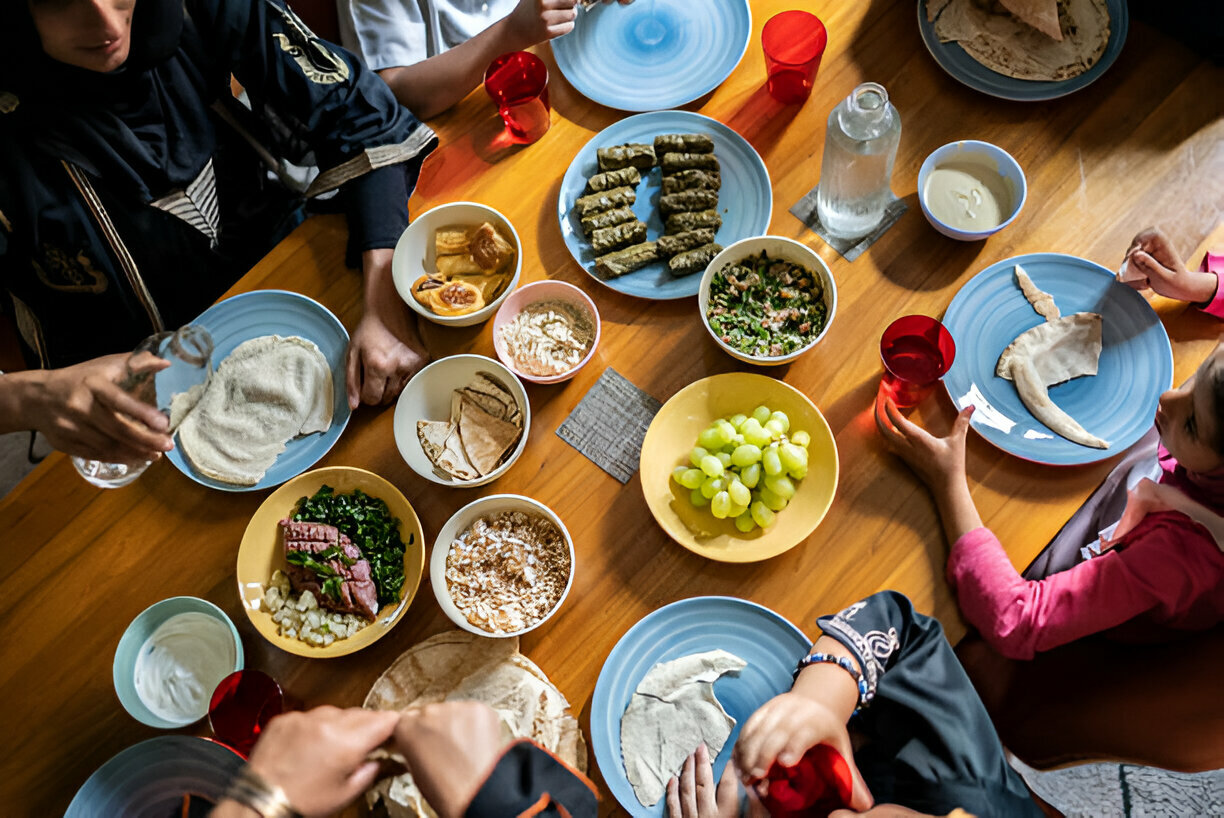
Lebanese Cuisine Rich in Middle Eastern Flavors
- Lebanese cuisine is world-famous with attractive dishes such as:
- Hummus: Chickpea paste served with pita bread.
- Tabbouleh: A salad made from parsley, tomatoes, and bulgur wheat.
- Kibbeh: A dish made from ground lamb and wheat.
- Baklava: A sweet pastry made of thin layers of dough and walnuts.
- Lebanese cuisine is world-famous with attractive dishes such as:
Diverse Nature
- Lebanon is the only country in the Middle East where you can ski in the mountains in the morning and swim in the sea in the afternoon. Ski resorts like Faraya and Cedars are popular destinations for tourists.
World Cultural Heritage
- Lebanon boasts several UNESCO World Heritage sites, including Byblos, one of the oldest cities in the world, and Qadisha Valley, home to ancient monasteries.
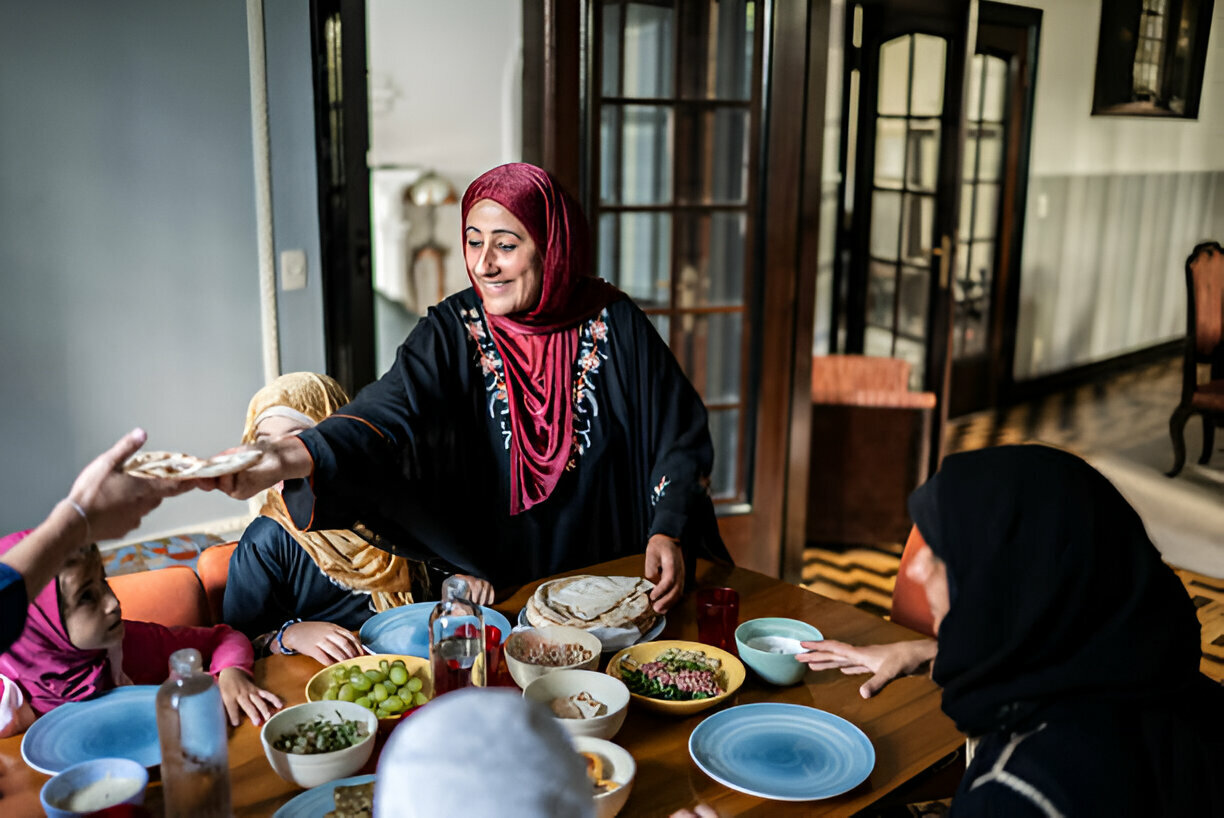

Economy and People
Economy:
Lebanon has an economy based on finance, trade, and tourism. Beirut was once considered the financial center of the Middle East. Despite facing many challenges, the country maintains its development potential thanks to its strategic geographical location and highly skilled human resources.People:
With a population of approximately 6 million people, the Lebanese people are known for their hospitality and friendly lifestyle. Arabic is the official language, but French and English are also widely spoken.

Lebanon Travel
Lebanon is an ideal destination for those who love to explore history, culture, and nature. Some outstanding destinations include:
- Beirut: A vibrant capital with historical sites and a bustling nightlife.
- Qadisha Valley: Home to majestic natural landscapes and ancient monasteries.
- Byblos: One of the oldest cities in the world, with ruins from the Phoenician era.
- City of Sidon: Famous for its traditional markets and seaside castle.
- Jeita Grotto: A natural wonder with a beautiful limestone cave system.
Conclusion
Lebanon is a small country but has a strong appeal thanks to its long history, diverse culture, and stunning natural landscapes. From the modern capitalBeirut, historical heritage sites like Byblos, to its unique cuisine and friendly people, Lebanon offers visitors unforgettable experiences. If you want to explore a country rich in cultural identity and unique nature, Lebanon chắc chắn là một lựa chọn tuyệt vời.